
Studies in Creative Direction
Essays, Questions & Conversations by Orondava
A multidisciplinary journal on the philosophy and practice of creative direction, and its role in shaping identity, industry, and culture.
Edition I: Creativity & Mental Health
Is instability required for brilliance?
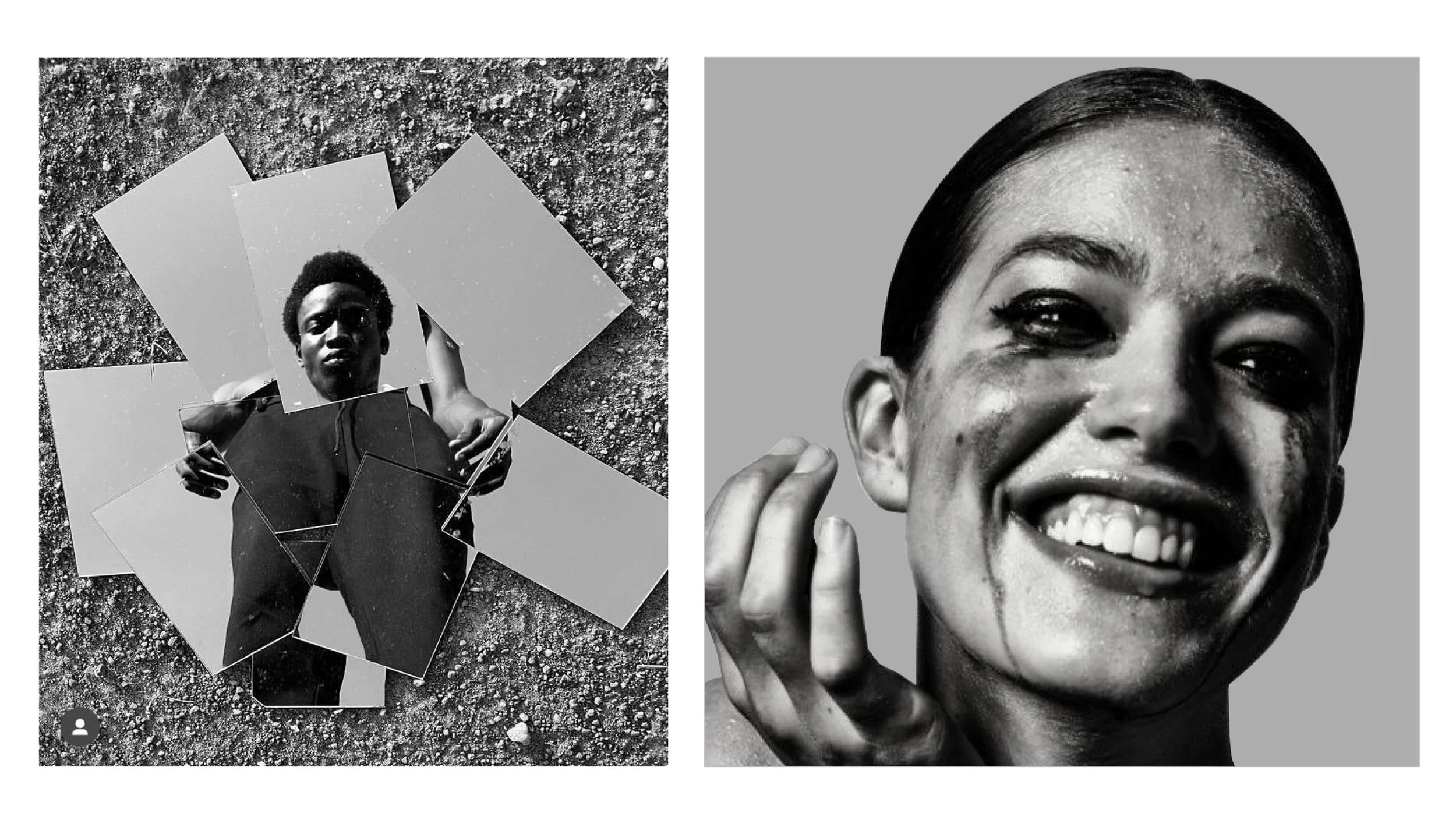
“Where brilliance an turbulence intersect.”
Creativity has long been associated with intensity — heightened emotion, sleeplessness, obsession, euphoria and collapse.
Throughout history, numerous creative figures have been retrospectively speculated to have experienced bipolar disorder or bipolar-spectrum symptoms.
In the visual arts: Vincent van Gogh, Jackson Pollock, and Edvard Munch.
In literature: Virginia Woolf, Ernest Hemingway, Sylvia Plath, and Edgar Allan Poe.
In music: Ludwig van Beethoven, Kurt Cobain, and Jimi Hendrix.
It is important to acknowledge that many of these attributions are retrospective and debated. Diagnosis across eras is imprecise. Yet the cultural pattern remains persistent: We repeatedly link artistic brilliance with psychological extremity.
The Seduction of Acceleration
Extended wakefulness.
Rapid ideation.
Heightened confidence.
A sense of expanded possibility.
In the short term, acceleration can feel like clarity.
As someone living with bipolar disorder, I have experienced periods where sleep felt unnecessary, where ideas arrived faster than I could record them, where productivity appeared limitless. In certain environments, that intensity was not questioned. It was praised.
In creative industries especially, sleeplessness is often reframed as dedication. Volatility becomes temperament. Excess becomes evidence of depth.
And when the work succeeds, the behavior is forgiven.
Success can become a moral alibi.
Clinical research supports a nuanced connection between bipolar disorder and creativity: a controlled study published in the Journal of Affective Disorders found that individuals with bipolar disorder — even when not experiencing acute symptoms — scored significantly higher on standardized creativity assessments compared with healthy controls. (stanfordhealthcare.org)
This suggests that elements of bipolar temperament may coincide with certain cognitive traits associated with creative thinking — but correlation is not causation, and this does not mean instability is necessary for brilliance.
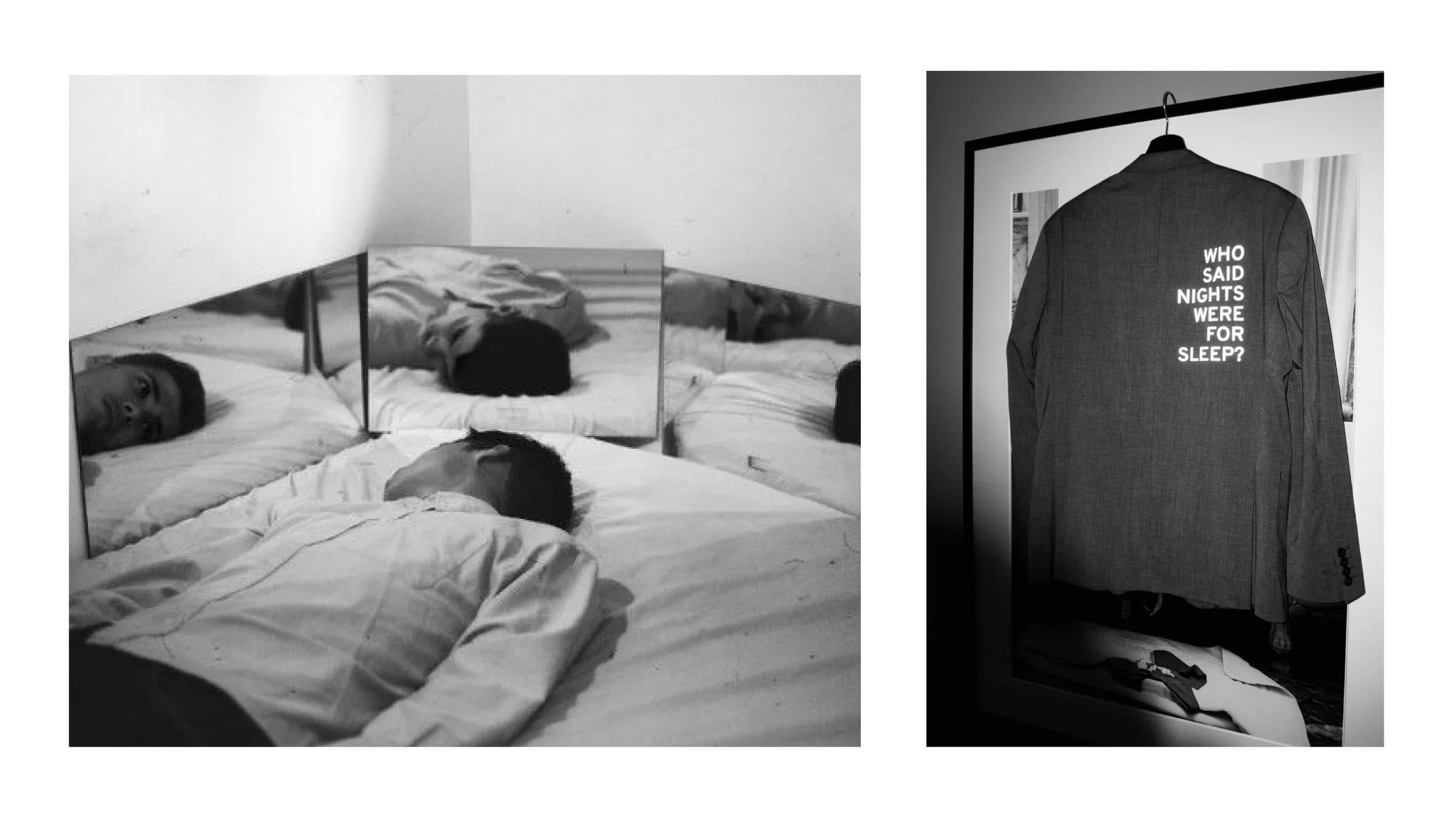
“Depth, empathy, and perception.”
The Depth of Depression
Depression can deepen sensitivity. It can sharpen empathy. It can attune an artist to emotional frequencies others might overlook. There is often a heightened awareness of fragility — of loss, longing, and isolation — that can translate into work that resonates.
As designers and artists, we transform internal experience into tangible form. Emotion becomes color, proportion, texture, sound and narrative.
But depth of feeling is not the same as health.
And suffering is not a prerequisite for resonance.
The empathy that can emerge during depressive periods is not born from the illness itself — it emerges from perception, attentiveness, and the ability to sit with complexity.
To romanticize depression as a creative engine is to obscure its cost : stalled careers, fractured relationships, diminished self-worth, and detachment that is only visible in retrospect.
There is a reason that medications used to stabilize bipolar disorder are often in the same class prescribed for psychotic disorders. What culture sometimes frames as “creative madness” is, clinically, a serious and destabilizing condition.
The myth is seductive. The reality is not aesthetic.

“Expectation, success, and the weight of perception.”
The Industry Problem
The creative industry does not invent instability — but it often normalizes it.
Intensity is rewarded.
Emotional extremity is interpreted as passion.
Unpredictability becomes mystique.
Peers, collaborators, and even friends may unconsciously reinforce destructive patterns by treating them as expected traits of highly creative people. Especially if the work performs. Especially if success is visible.
If the output is brilliant, the instability becomes part of the brand.
But this framing is dangerous.
It suggests that brilliance and balance are mutually exclusive. That volatility is evidence of authenticity. That destruction is simply the price of genius.
This narrative does not protect artists. It consumes them.
Creative ecosystems must evolve beyond fetishizing excess. Not by sanitizing intensity, but by distinguishing between energy and harm.
Intensity is not the problem. Unexamined instability is.
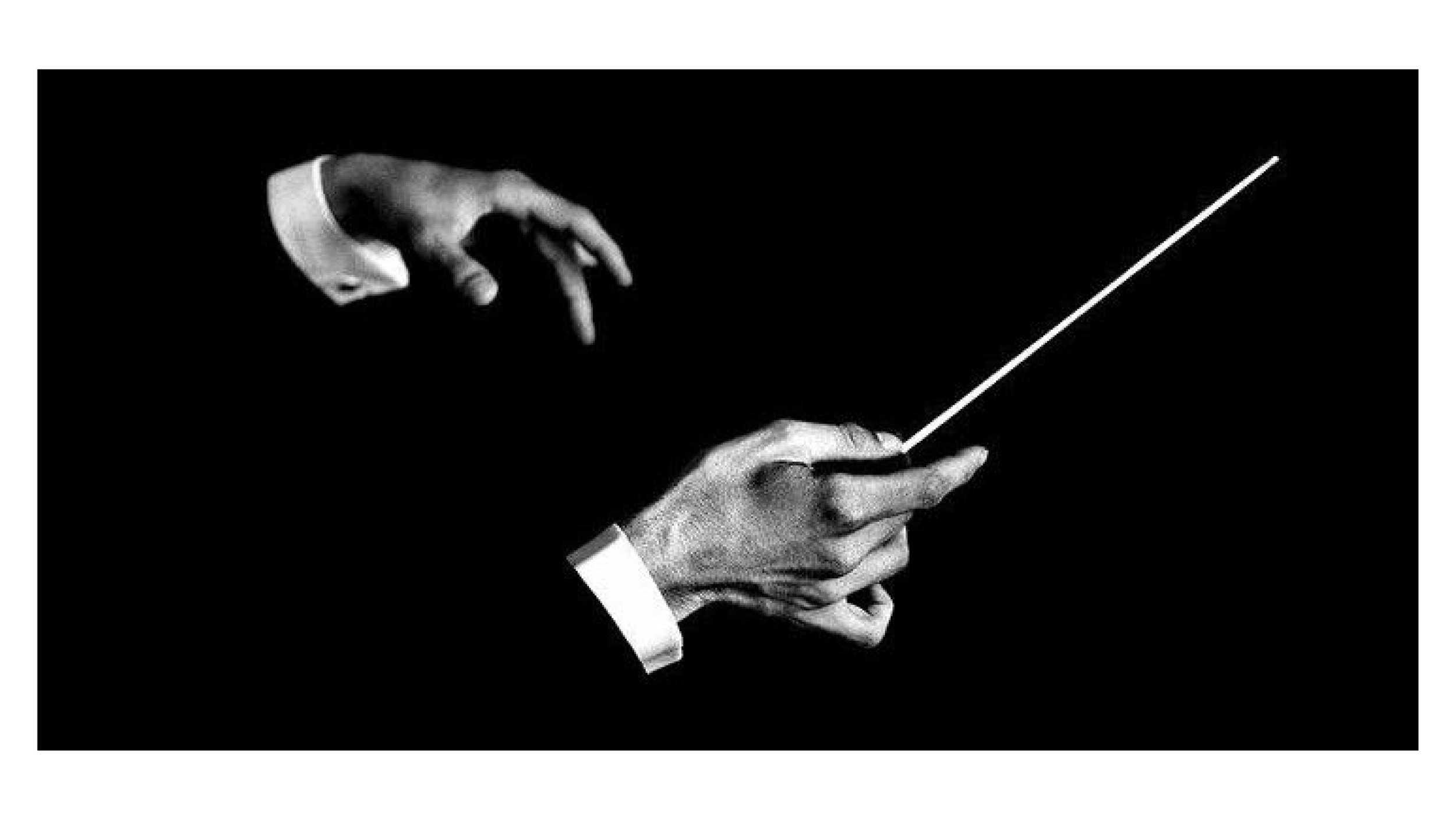
“From impulse to intention.”
Direction Requires Discernment
Creative direction is not chaos. It is orchestration.
It requires the ability to step outside the rush of ideas and evaluate them. To edit. To sequence. To restrain. To align vision with execution.
Mania may produce volume.
Depression may produce sensitivity.
But direction requires discernment.
Discernment depends on clarity.
In my own practice, the work that endures — the work that feels structurally sound — is not created in states of escalation. It is refined in steadiness. It is shaped through deliberate pacing. It is sustained through systems, collaboration, and reflection.
The romantic archetype of the tortured genius centers explosion. But direction is architecture.
It is the difference between sparks and structure.
Instability is not required for brilliance.
Brilliance emerges from perception, curiosity, discipline, and synthesis. It emerges from the capacity to hold complexity — not be consumed by it.
There may be moments when intensity fuels output. But intensity alone cannot sustain vision. What sustains vision is structure.
Structure is not the enemy of creativity. It is what allows it to endure.
To reject the myth of instability is not to deny lived experience. It is to refuse the narrative that suffering is a prerequisite for significance.
Creative authority does not require self-destruction.
Depth does not require collapse.
Sensitivity does not require chaos.
If anything, the future of creative leadership demands the opposite: sustainability, self-awareness, emotional literacy, and responsibility.
The question, then, is not whether bipolar disorder can coexist with creativity. It clearly can. History and contemporary practice demonstrate that.
The more urgent question is this:
Will we continue to romanticize instability — or will we redefine brilliance as something that can exist alongside stability?
For those of us working at the intersection of art, industry, and identity, the answer matters.
Because the next generation is watching how we frame it.
Reflection
Has the creative industry romanticized instability?
Where is the line between intensity and harm?
Can brilliance be both powerful and sustainable?
